

Easiest Homemade Bread Recipe: Simple Steps to Delicious Bread
As someone who loves to bake, I can attest that homemade bread is one of the most satisfying things to make in the kitchen. There's something about the smell of freshly baked bread that fills the house and makes everyone feel warm and cozy. However, making bread from scratch can be intimidating, especially for beginners. That's why I'm excited to share with you the easiest homemade bread recipe that anyone can make.
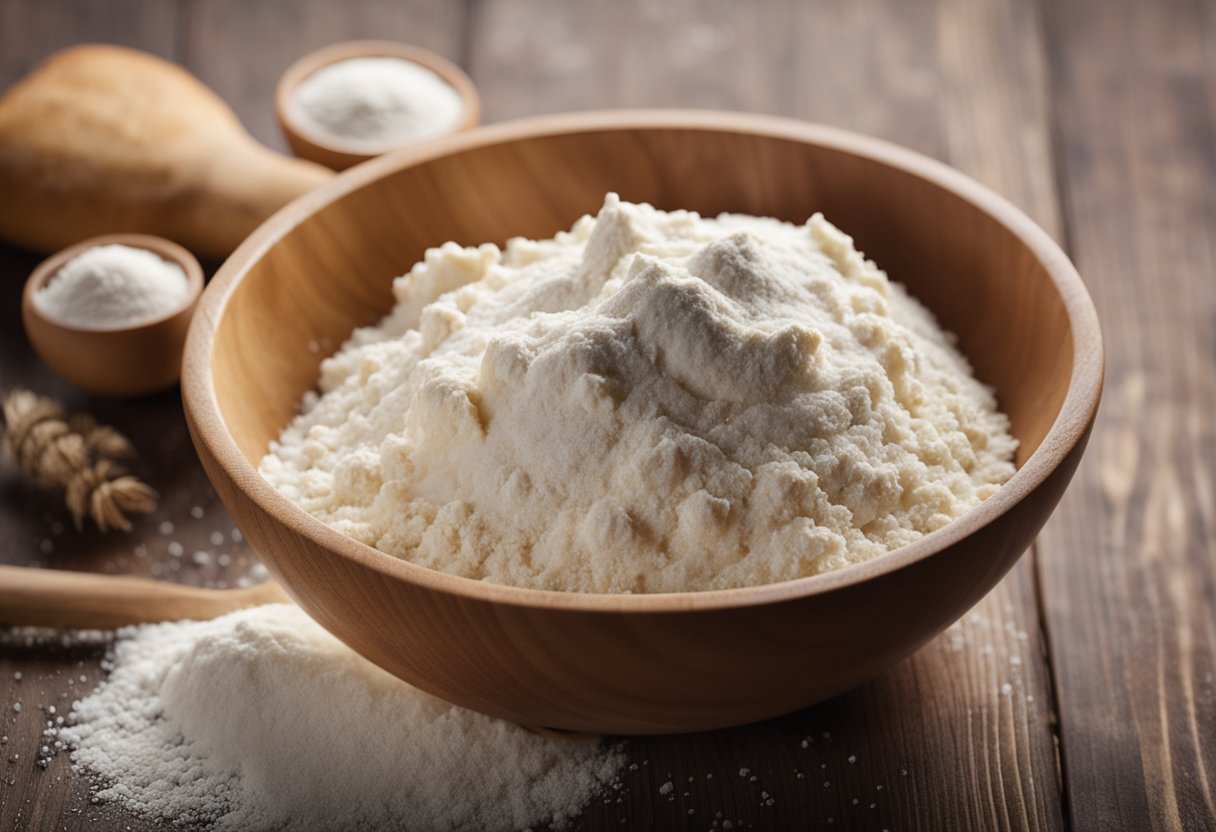
This recipe requires minimal ingredients and no fancy equipment. All you need is flour, yeast, water, salt, and a mixing bowl. The best part is that there's no kneading involved! Simply mix the ingredients together, let the dough rise, and bake it in the oven. The end result is a delicious, crusty loaf of bread that's perfect for sandwiches, toast, or just enjoying on its own.
Whether you're an experienced baker or a novice in the kitchen, this recipe is sure to become a staple in your home. Not only is it easy to make, but it's also a great way to impress your friends and family with your baking skills. So, let's get started and make some delicious homemade bread!
Essential Ingredients
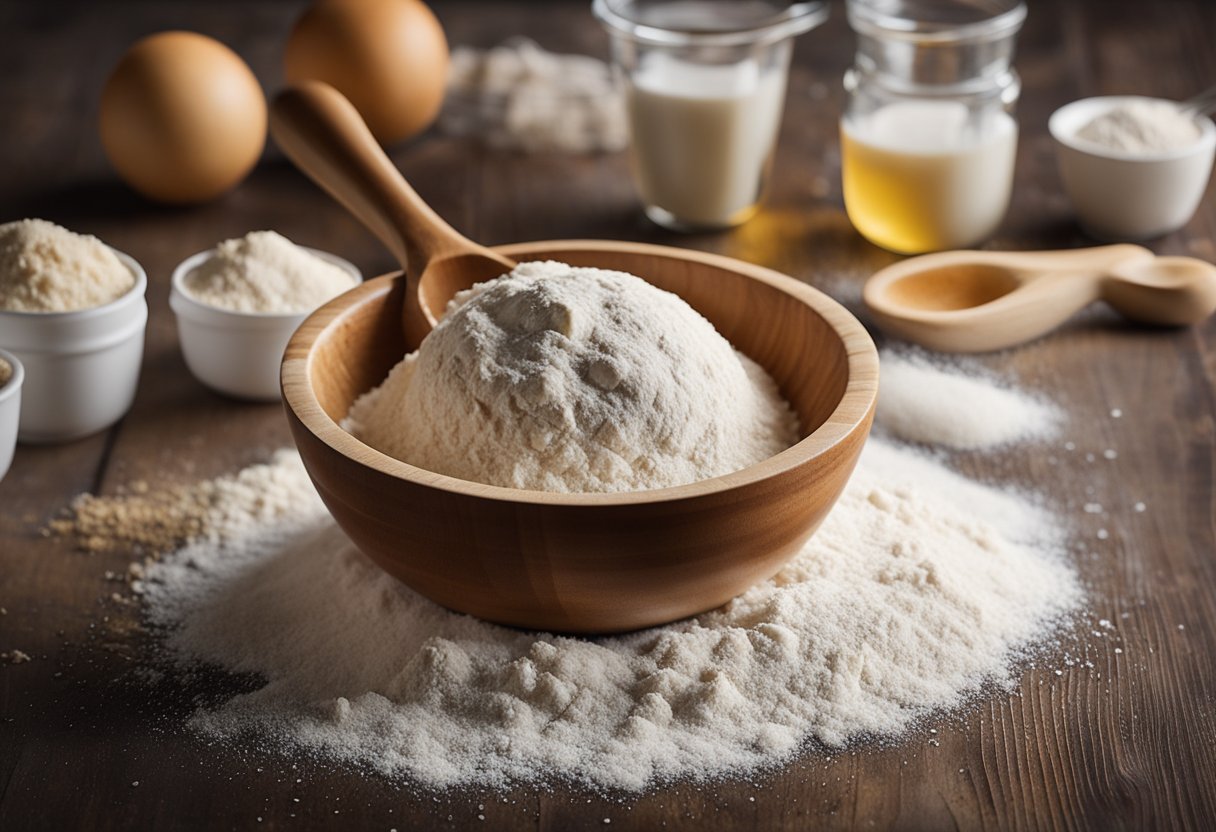
As a professional baker, I know that making homemade bread can be intimidating for beginners. However, with the right ingredients and techniques, anyone can make delicious bread at home. In this section, I will discuss the essential ingredients needed for making the easiest homemade bread.
Flour Types
The type of flour used in bread-making is crucial. All-purpose flour is the most commonly used flour for making bread, but bread flour is preferred for its high gluten content, which gives bread its structure. Whole wheat flour can also be used, but it will result in a denser loaf. It is important to note that the type of flour used will affect the texture and flavor of the bread.
Yeast Selection
Yeast is a living organism that is responsible for the rise of the bread. There are two types of yeast: active dry yeast and instant yeast. Active dry yeast needs to be dissolved in warm water before use, while instant yeast can be added directly to the dry ingredients. Both types of yeast will work for making bread, but instant yeast is preferred for its convenience and reliability.
Salt and Sugar Roles
Salt is essential in bread-making as it helps to enhance the flavor and slows down the fermentation process. Sugar is also commonly added to bread dough to help feed the yeast and enhance the flavor. It is important to note that the amount of salt and sugar used will affect the flavor and texture of the bread.
Water and Its Temperature
Water is needed to activate the yeast and hydrate the flour. The temperature of the water is also important, as it can affect the rate of fermentation. Warm water is preferred for activating the yeast, but it should not be too hot as it can kill the yeast. It is recommended to use water that is between 105°F and 110°F.
Equipment Needed
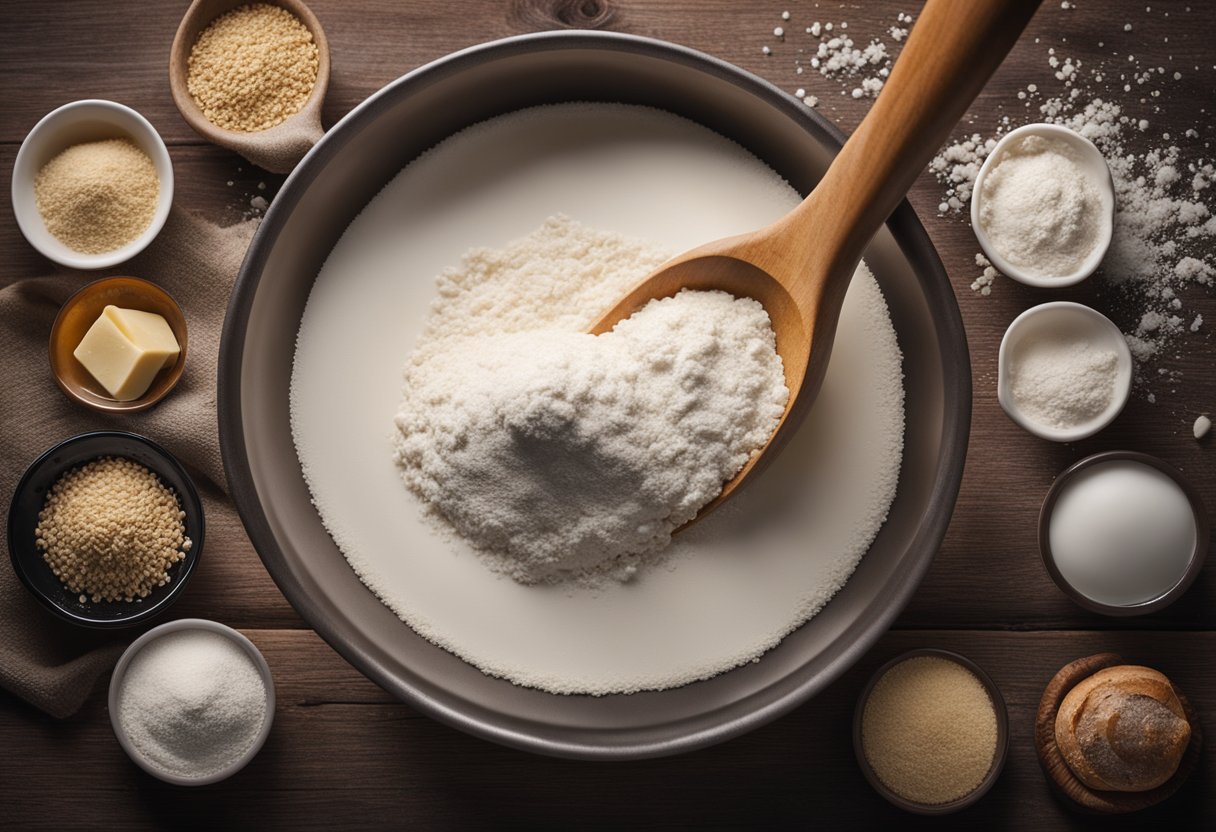
Making homemade bread requires some basic equipment. Here are the essential tools you will need for making the easiest homemade bread recipe.
Mixing Tools
To mix the ingredients, you will need a large mixing bowl. A mixing bowl with a capacity of at least 4 quarts is recommended. A wooden spoon or a silicone spatula is also necessary for mixing the ingredients together. You can also use a stand mixer with a dough hook attachment for mixing the dough.
Baking Containers
For baking the bread, you will need a baking container. A Dutch oven or a cast-iron pot with a lid is the best option for baking bread. The pot should have a capacity of at least 5 quarts. If you don't have a Dutch oven or a cast-iron pot, you can use a baking sheet or a loaf pan. However, the bread may not rise as much as it would in a Dutch oven.
Measuring Devices
Accurate measurement of ingredients is crucial for making the perfect bread. You will need measuring cups and spoons for measuring the ingredients. A kitchen scale is also helpful for measuring the ingredients by weight. Use a liquid measuring cup for measuring liquids like water or milk.
Make sure to have all the necessary equipment ready before starting to make the bread. With the right equipment, making homemade bread is easy and enjoyable.
Bread Making Process
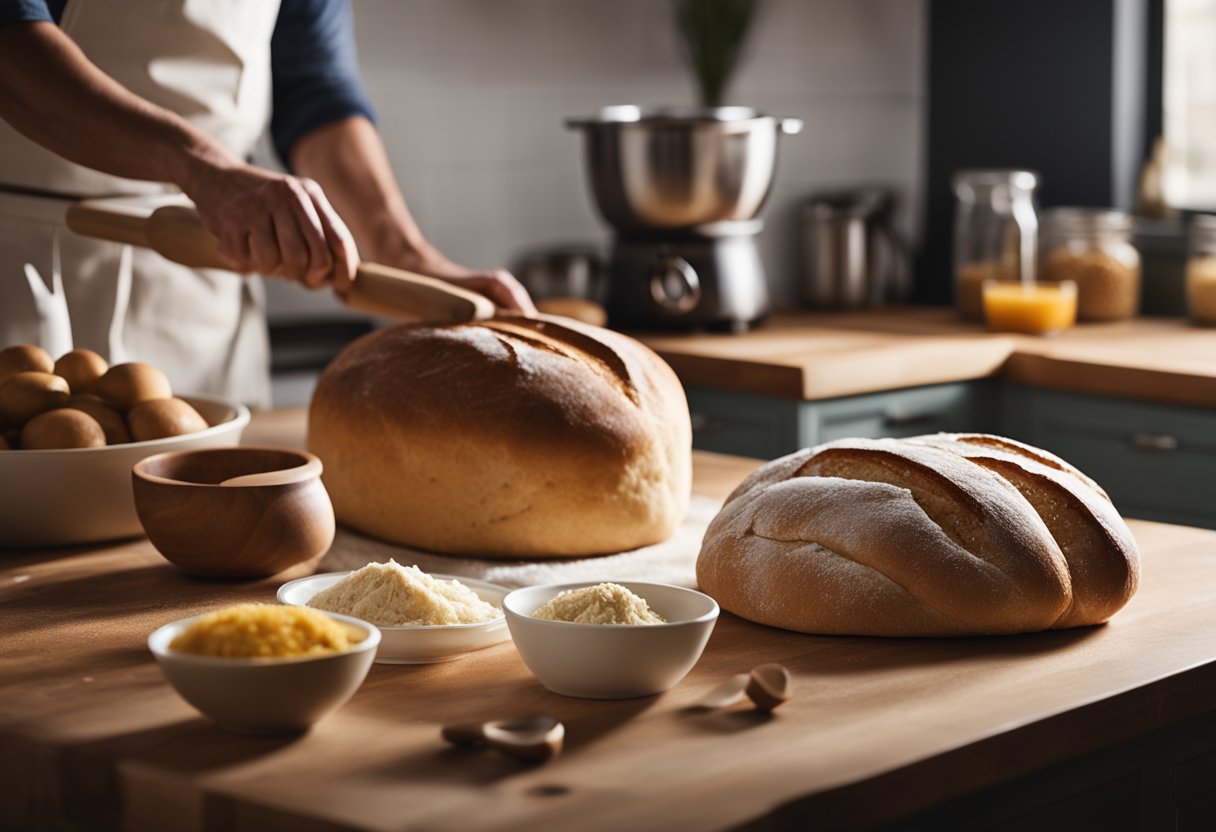
Making homemade bread is a rewarding experience that can be enjoyed by anyone. With a few simple steps, you can create a delicious loaf of bread that is perfect for sandwiches, toast, or just as a snack.
Mixing the Dough
The first step in making bread is to mix the dough. This can be done by hand or with a stand mixer. To make the process easier, it is best to have all of the ingredients measured out and ready to go before you start mixing.
Kneading Techniques
Once the dough is mixed, it needs to be kneaded. Kneading helps to develop the gluten in the dough, which gives the bread its structure and texture. There are several different kneading techniques that can be used, including the fold and turn method and the push and fold method.
First Rise
After the dough has been kneaded, it needs to rise. This allows the yeast to ferment and produces carbon dioxide, which causes the dough to expand. The first rise usually takes about an hour, but can vary depending on the recipe and temperature.
Shaping the Loaf
Once the dough has risen, it needs to be shaped into a loaf. This can be done by hand or by using a bread pan. It is important to make sure the dough is shaped evenly so that it bakes evenly.
Second Rise
After the dough has been shaped, it needs to rise again. This is called the second rise and usually takes about 30 minutes to an hour. During this time, the dough will continue to expand and rise.
Baking the Bread
The final step in making homemade bread is to bake it. This can be done in a regular oven or a bread machine. It is important to follow the recipe carefully and to make sure the bread is baked to the correct temperature. Once the bread is finished baking, it should be allowed to cool before slicing and serving.
Overall, making homemade bread is a fun and rewarding experience that can be enjoyed by anyone. With a little practice and patience, you can create a delicious loaf of bread that is perfect for any occasion.
Tips for the Perfect Loaf
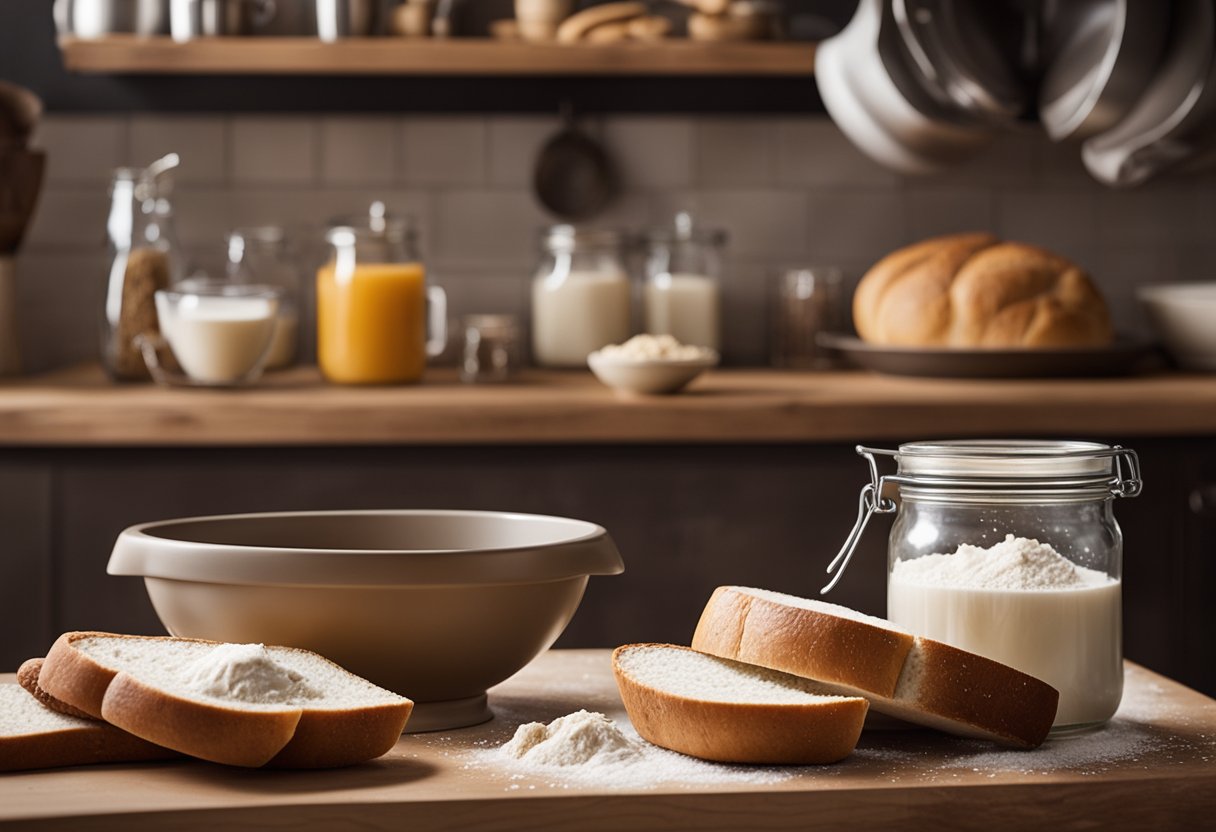
As someone who has baked many loaves of bread, I have learned that there are a few key factors that can make or break your homemade bread. Here are some tips to help you achieve the perfect loaf:
Ingredient Ratios
It's important to measure your ingredients accurately when making bread. Too much flour can result in a dense, dry loaf, while too little can cause the bread to collapse during baking. Use a kitchen scale to weigh your flour and water for the most accurate results.
Dough Consistency
The consistency of your dough is crucial for a good rise and texture. The dough should be soft and pliable, but not too sticky. If the dough is too dry, add a bit more water. If it's too wet, add a bit more flour. Kneading the dough for the right amount of time is also important. Too little kneading can result in a dense loaf, while over-kneading can make the bread tough.
Proofing Conditions
Proofing is the process of allowing the dough to rise before baking. The ideal temperature for proofing is between 75-80°F (24-27°C). If your kitchen is cooler than this, you can place the dough in a warm spot, such as an oven with the light on. If it's warmer, you may need to shorten the proofing time. Cover the dough with a damp cloth or plastic wrap to prevent it from drying out.
Oven Temperature and Placement
The temperature of your oven is crucial for a good rise and crust. Preheat your oven to the temperature specified in your recipe. Placing a pan of hot water on the bottom rack of the oven can create steam, which helps to form a crispy crust. Bake the bread on the middle rack of the oven for the most even heat distribution.
By following these tips, you can create a delicious homemade bread that's sure to impress your family and friends.
Storage and Preservation
After making your delicious homemade bread, it's important to store it properly to keep it fresh. In this section, I will discuss how to cool and slice your bread, as well as short-term and long-term storage options.
Cooling and Slicing
Before storing your bread, it's important to let it cool completely. This will prevent condensation from forming inside the storage container, which can cause the bread to become soggy. Once your bread has cooled, you can slice it using a serrated knife. To prevent the bread from becoming squished, use a gentle sawing motion rather than pressing down too hard.
Short-Term Storage
If you plan on consuming your bread within a few days, you can store it at room temperature in a bread box or wrapped in a paper bag. Avoid storing your bread in plastic, as this can cause it to become too moist and moldy. If you live in a humid climate, you may want to store your bread in the refrigerator to prevent mold growth.
Long-Term Storage
If you want to store your bread for longer than a few days, you can freeze it. To do this, wrap your bread tightly in plastic wrap, followed by a layer of aluminum foil or freezer paper. Be sure to label your bread with the date so you can keep track of how long it has been in the freezer. When you're ready to eat your bread, let it thaw at room temperature for a few hours or overnight in the refrigerator.
Remember, homemade bread is best enjoyed fresh, so try to consume it within a few days of baking for the best flavor and texture. With these storage and preservation tips, you can enjoy your homemade bread for days or even weeks to come.
Conclusion
In conclusion, making homemade bread can be an easy and rewarding experience. With just a few simple ingredients and some patience, anyone can create a delicious loaf of bread. Whether you prefer a no-knead recipe or a traditional method, there are plenty of options to choose from.
When it comes to choosing a recipe, it's important to consider your personal preferences and skill level. If you're new to bread making, starting with a simple no-knead recipe can be a great way to get started. On the other hand, if you're comfortable with the basics, trying a more traditional recipe can be a fun challenge.
Regardless of which recipe you choose, there are a few key tips to keep in mind. First, be sure to measure your ingredients carefully to ensure the best results. Second, allow your dough to rise properly to achieve a light and fluffy texture. Finally, don't be afraid to experiment with different flavors and variations to make your bread truly unique.
Overall, making homemade bread can be a fun and satisfying experience. With a little bit of practice and experimentation, you can create delicious loaves of bread that are sure to impress your friends and family. So why not give it a try and see what delicious creations you can come up with?
Frequently Asked Questions
What are the basic ingredients needed for a simple homemade bread recipe?
To make a simple homemade bread recipe, you will need flour, water, yeast, and salt. These are the basic ingredients that are needed for most bread recipes. However, you can also add other ingredients like sugar, milk, eggs, or butter to enhance the flavor and texture of your bread.
How can I make bread without yeast?
If you don't have yeast or want to make bread without it, you can use baking powder or baking soda instead. These leavening agents will help your bread rise and become fluffy. You can also use sourdough starter, which is a natural yeast that you can make at home by fermenting flour and water.
What is the difference between using instant yeast and active dry yeast in bread recipes?
Instant yeast and active dry yeast are both types of yeast that are used in bread recipes. The main difference between them is that instant yeast does not need to be dissolved in water before using it, while active dry yeast does. Instant yeast also works faster than active dry yeast, so you may need to adjust the rising time accordingly.
What type of flour is best suited for baking homemade bread?
The type of flour that is best suited for baking homemade bread depends on the recipe you are using. Generally, bread flour or all-purpose flour with a high protein content is recommended for making bread. Whole wheat flour can also be used, but it will result in a denser texture.
What are some tips for achieving the perfect texture in homemade bread?
To achieve the perfect texture in homemade bread, it is important to knead the dough properly and let it rise for the appropriate amount of time. You should also use the right amount of flour and water, and avoid overmixing the dough. Baking the bread at the right temperature and for the right amount of time is also crucial.
Is there a significant cost benefit to baking bread at home compared to purchasing it?
Baking bread at home can be more cost-effective than purchasing it, especially if you bake in large batches or frequently. The cost of ingredients is generally lower than the cost of buying bread from a store or bakery. Additionally, you have more control over the quality and ingredients of your bread when you bake it at home.

Unsalted food is like garbage
THANKS FOR READING MY OPOST ConversionConversion EmoticonEmoticon